Installing a Bioethanol Fireplace into Furniture: Key Tips
A bioethanol fireplace built into furniture can become a stylish interior feature, but during installation, safety and durability should be the top priorities. First, choose a bioethanol fireplace model specifically designed for integration into furniture or wall niches. Such models are built with the appropriate construction and safe clearance distances from surrounding surfaces.
During installation, it is essential to use heat-resistant materials such as metal, tempered glass, or special protective panels. Wooden or laminated furniture components should not come into direct contact with the fireplace body. It is also important to maintain the ventilation gaps specified by the manufacturer to allow heat to dissipate properly.
It is recommended to install a bioethanol fireplace on a stable and level surface, away from curtains, textiles, and other flammable materials. Fuel should only be refilled once the unit has completely cooled down. For the safest and most reliable result, it is always best to trust professionals who can ensure proper installation and a clean, aesthetically pleasing finish.
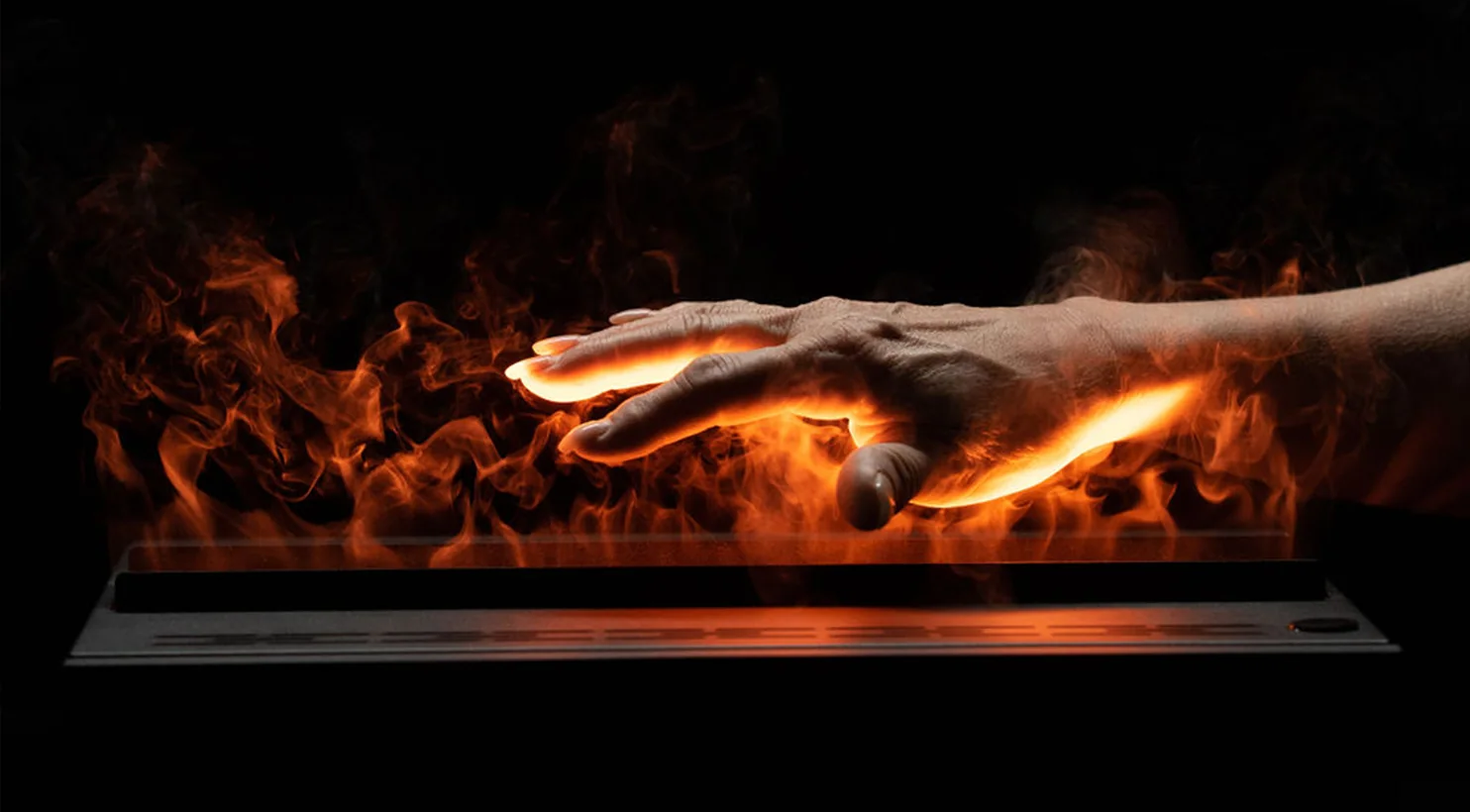
A properly installed bioethanol fireplace built into furniture will bring warmth, modern elegance, and the ambiance of a real flame to your home.
The Most Common Mistakes When Installing a Bioethanol Fireplace into Furniture
When installing a bioethanol fireplace into furniture, common mistakes are often made that can reduce both safety and durability. One of the most frequent mistakes is choosing an unsuitable model that is not designed for built-in installation. Such fireplaces may overheat or fail to maintain safe clearance distances within the furniture structure.
Another common mistake is failing to leave proper ventilation gaps. A bioethanol fireplace requires adequate air circulation, so enclosed installation without sufficient spacing can trap heat and damage the furniture. It is also common to use non-heat-resistant materials such as laminate, MDF, or wood without additional heat protection.Another common mistake is installing the bioethanol fireplace too close to shelves, televisions, curtains, or decorative items. The flame and heat must have enough open space around them. It is also important not to refill the fuel while the unit is still hot.
To avoid potential issues, it is always important to follow the manufacturer’s instructions and, if necessary, consult professionals. A properly installed bioethanol fireplace will not only look beautiful, but will also be safe for everyday use.